FluxEDA™
Public betaA circuit design suite built natively for superconducting electronics: schematic capture, JoSIM simulation, timing, parameter sweeps and margin analysis.
Explore FluxEDA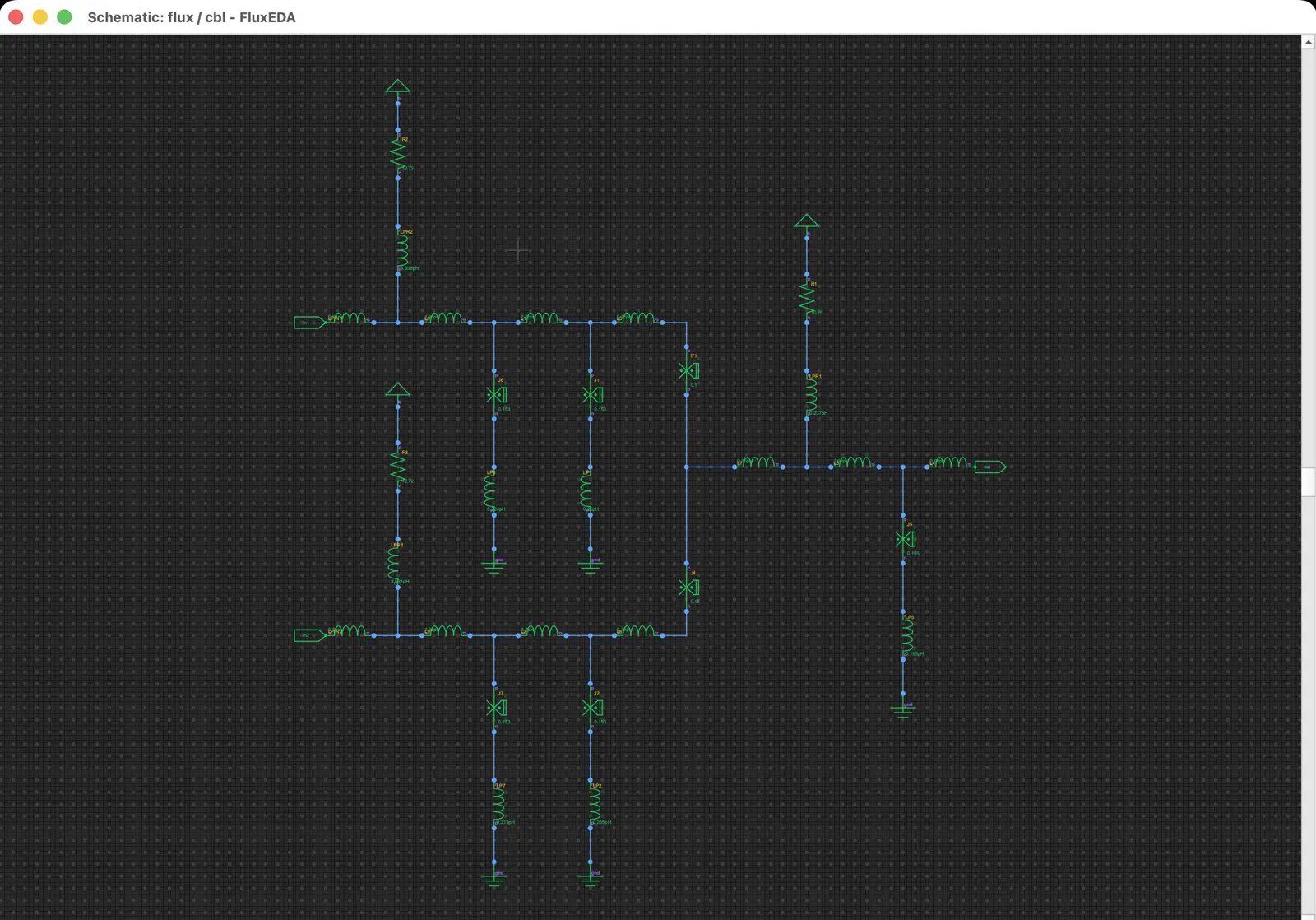


Harnessing Uncertainty, Scaling Reality.
We build across the stack, from circuit design to system deployment, to solve one problem: the wiring and thermal bottleneck that keeps today's superconducting quantum computers from scaling.
The Phi₀ portfolio
Our products cover the path from superconducting chip design to an installed quantum computer.
A circuit design suite built natively for superconducting electronics: schematic capture, JoSIM simulation, timing, parameter sweeps and margin analysis.
Explore FluxEDAA structured readiness assessment: which of your problems can be formulated for quantum computation, when hardware is likely to run them, and what to prepare until then.
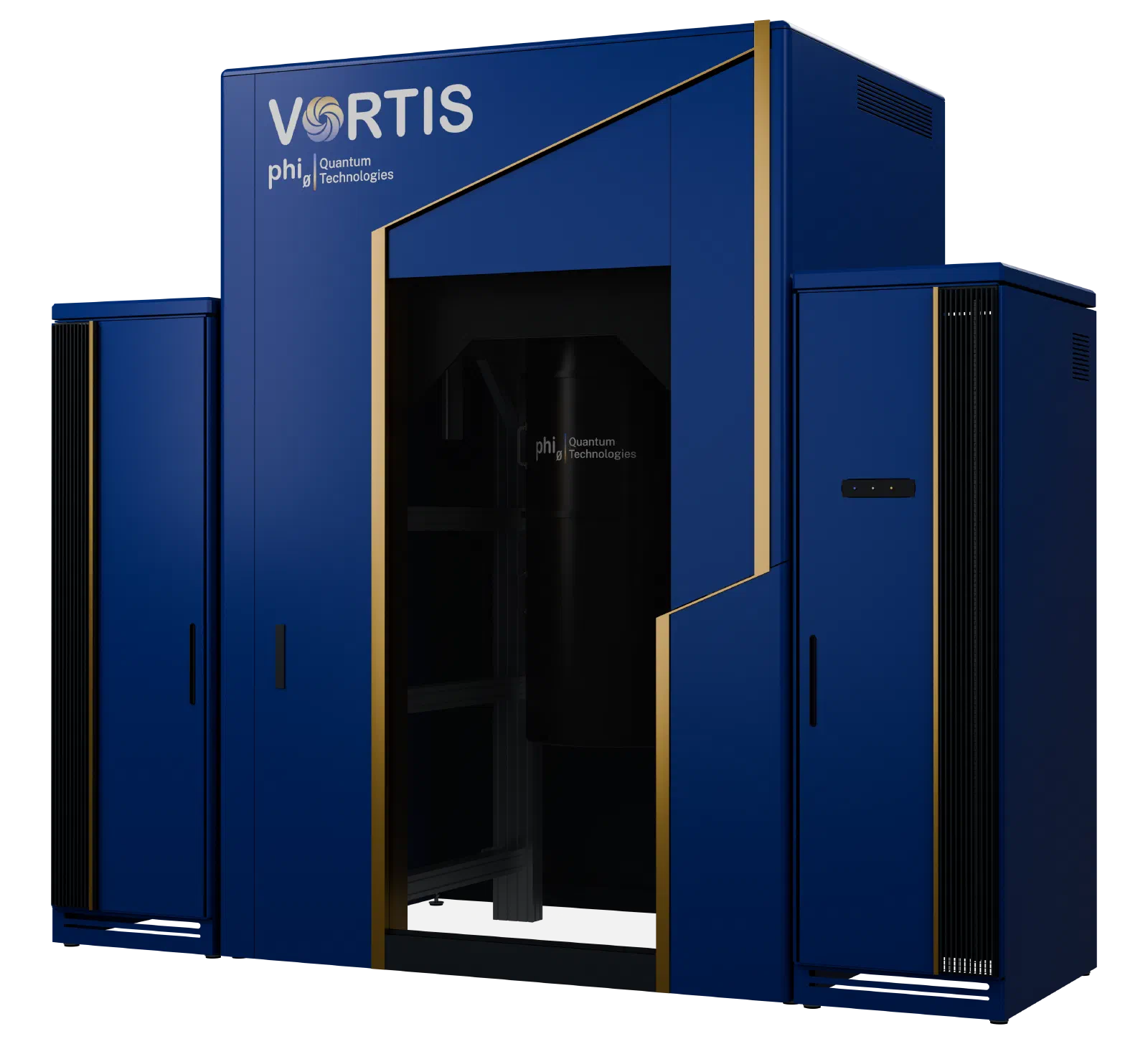
ExploreTurnkey on-premises superconducting quantum computer system, with open architecture and ongoing support.
ExploreToward scale. Not yet available.

The scaling challenge
In conventional architectures, much of the control and readout electronics remains at room temperature. As processors grow, wiring density and heat load at the cold stages become major scaling constraints. At thousand-qubit scale, that means thousands of signal lines into a single cryostat.
Phi₀ works on this limit at every layer, from the tools used to design superconducting chips to the system installed at a customer’s site.
Explore the challengeOur approach · In development
Phi₀ is developing a cryogenic module that brings the quantum processor and its superconducting control and readout electronics together inside the cryostat, on a path toward 10,000+ qubits.
Our approach
Built on research
Founded in 2021 by Prof. Dr. Ali Bozbey and his research group, Phi₀ traces its roots to 25 years of academic research in superconducting circuits, single flux quantum (SFQ) electronics, and cryogenic systems engineering: from 2001 at Bilkent University, Jülich Research Center and Nagoya University, and since 2008 at TOBB University of Economics and Technology. In 2024, a TOBB ETÜ team led by Ali Bozbey built QuanT, Türkiye’s first quantum computer. Phi₀ builds on that experience.
About Phi₀