Quantum Computing Basics
How qubits, entanglement, and interference work, and where quantum computers are expected to help.
Read more →

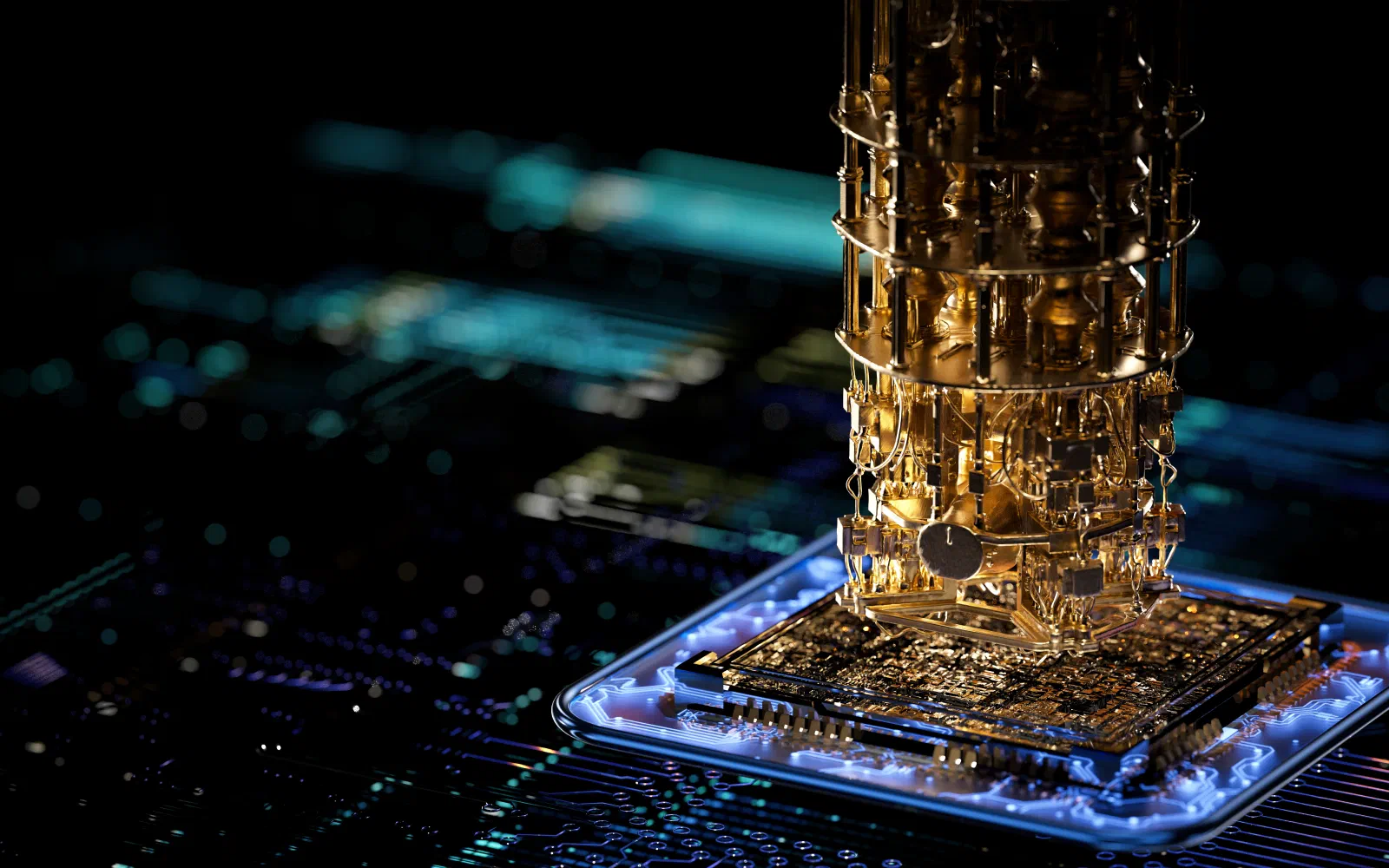
Scaling superconducting quantum computers beyond the wiring wall.
In development
In conventional architectures, much of the control and readout electronics remains at room temperature. As processors grow, wiring density and heat load at the cold stages become major scaling constraints. At thousand-qubit scale, that means thousands of signal lines into a single cryostat.
Conventional
Control and readout electronics at room temperature. Signal lines run down through every temperature stage to the processor.
Phi₀ approach In development
Control and readout electronics in one module with the processor, inside the cryostat: fewer long signal lines.
Phi₀ is developing a cryogenic module that brings the quantum processor and its superconducting control and readout electronics together inside the cryostat.
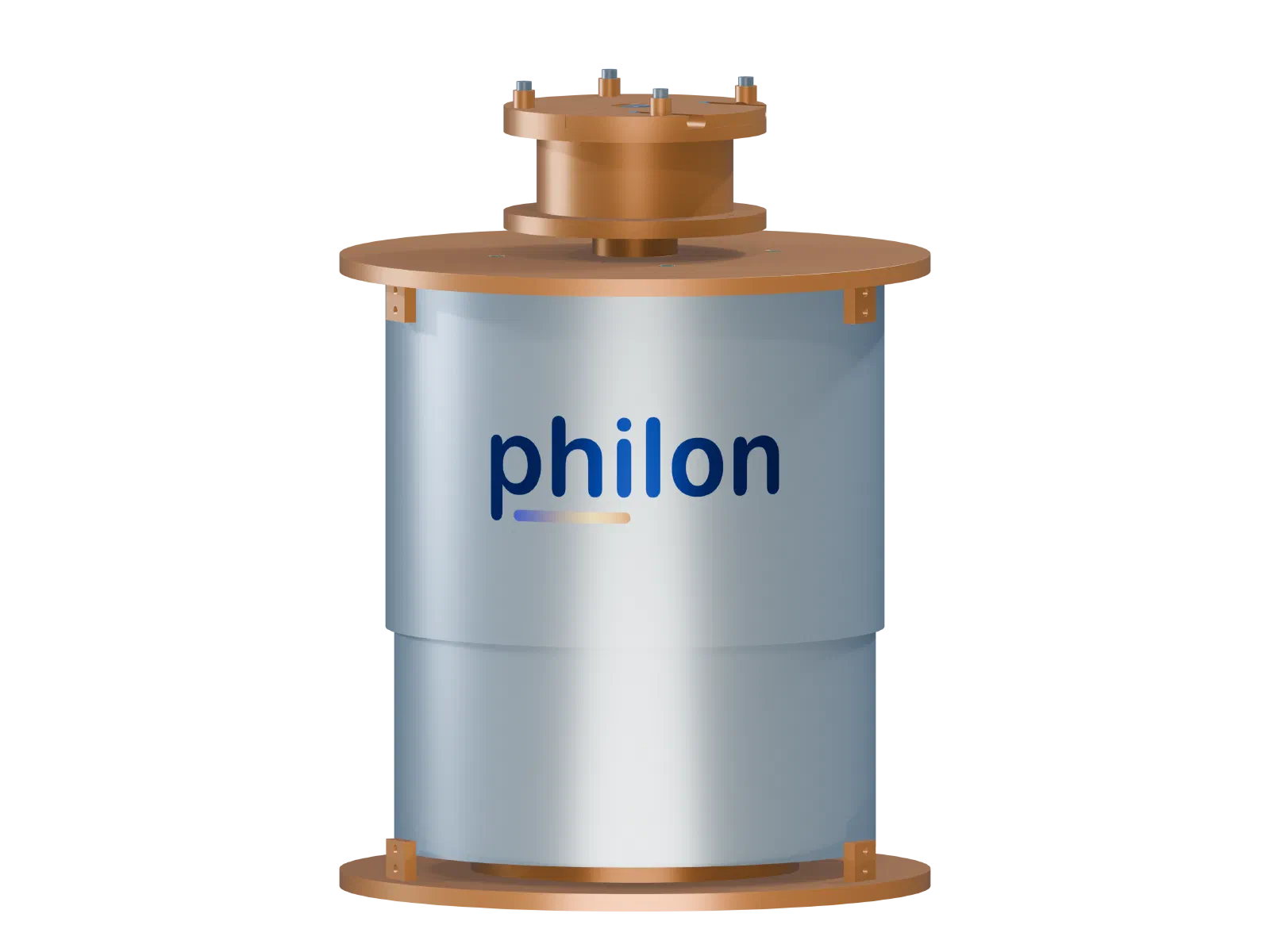
Superconducting electronics that drive the qubits from inside the cryostat.
Superconducting electronics that read out the qubits next to the processor.
Our own or a partner’s superconducting quantum processor.
The design goal is fewer long signal lines and simpler installation, on a path toward 10,000+ qubits. The module is in development.
Our vision: make large-scale, fault-tolerant quantum computing physically buildable.
How quantum computers work, why they need cryogenic temperatures, and where the field is heading.
How qubits, entanglement, and interference work, and where quantum computers are expected to help.
Read more →Superconducting qubits operate at millikelvin temperatures. What the cryogenic environment demands, and how the full stack fits together.
Read more →From today's noisy intermediate-scale devices to fault-tolerant quantum computers: where the field is heading.
Read more →New to quantum computing? Start with our Learn guides.